the difference between Ale and Lager brewing yeasts
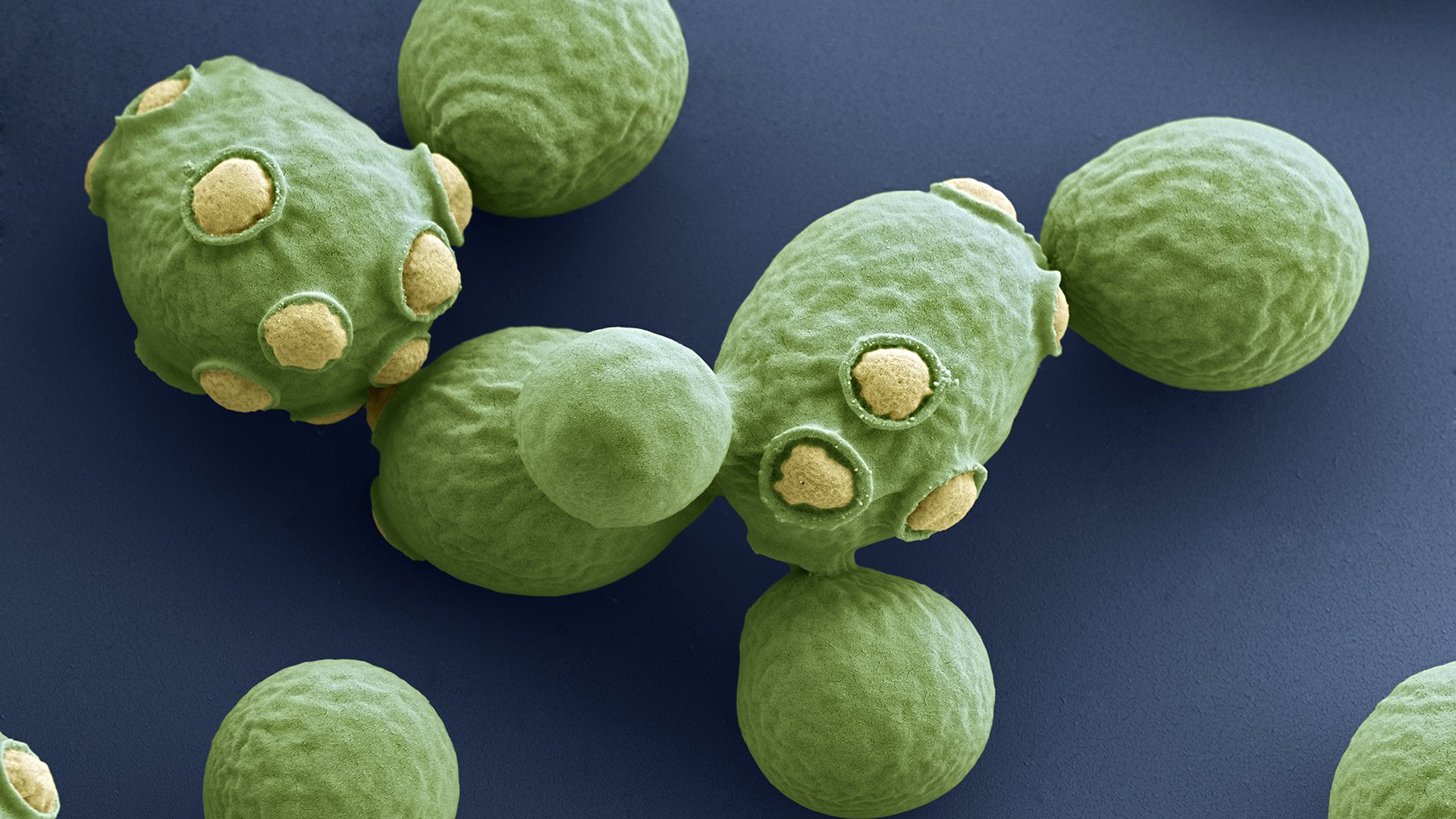
the difference between Ale and Lager brewing yeasts Ale and Lager brewing yeasts are two different types of yeast that are used in the production of beer. While they are both used to ferment sugars in the wort into alcohol and carbon dioxide, there are several key differences between Ale and Lager yeasts:
Temperature range: Ale yeasts are often referred to as “top-fermenting” yeasts because they ferment best at higher temperatures (60-68°F) and are capable of fermenting beer within a relatively short period of time (a few days to a week). On the other hand, Lager yeasts are “bottom-fermenting” yeasts that ferment best at cooler temperatures (45-55°F) and require longer fermentation times (several weeks to a few months).
Flavor profile: Ale yeasts produce a fruity, estery flavor profile that complements the hop character of many styles of ale. Lager yeasts, on the other hand, produce a clean, crisp, and neutral flavor that is well-suited for light lagers and pilsners.
Fermentation speed: Ale yeasts ferment the wort quickly and efficiently, producing beer within a few days to a week. Lager yeasts, however, ferment the wort more slowly, taking several weeks to a few months to complete the fermentation process.
By-products: Ale yeasts produce a wide range of by-products that contribute to the flavor of the beer. Lager yeasts, however, produce fewer by-products and produce a cleaner, more neutral flavor.
In summary, Ale and Lager yeasts are two different types of yeast that are used in the production of beer. Ale yeasts ferment quickly and efficiently at higher temperatures, producing a fruity and estery flavor profile, while Lager yeasts ferment more slowly and efficiently at lower temperatures, producing a clean and neutral flavor. The choice of yeast depends on the style of beer being produced and the desired flavor profile. S. Postorianus (lager yeast), survives at lower temp <28c, bottom fermenting, possess an enzyme that hydrolyzes melibiose/raffinose S. Cerevisiae (ale yeast), more flavour compounds (esters), high temp survival <37c, top fermenting 에일과 라거 효모의 차이.
에일과 라거 양조 효모는 맥주 생산에 사용되는 두 가지 다른 유형의 효모이다. 두 가지 모두 당을 발효시켜 알코올과 이산화탄소로 만드는 데 사용되지만, 에일 효모와 라거 효모 사이에는 몇 가지 주요 차이점이 있다:
온도 범위: 에일 효모는 높은 온도(6068°F)에서 가장 잘 발효되며 비교적 짧은 시간(수일1주일) 내에 맥주를 발효시킬 수 있으며 “상면 발효” 효모로 불린다. 반면, 라거 효모는 더 시원한 온도(45-55°F)에서 가장 잘 발효되고 더 긴 발효 시간(몇 주에서 몇 개월)이 필요한 “하면 발효” 효모이다.
맛 프로필: 에일 효모는 많은 스타일의 에일의 홉 특성을 보완하는 과일 같은, 에일 향미 프로파일을 생성한다. 반면 라거 효모는 담백한 라거와 필스너에 잘 어울리는 깔끔하고 상쾌하며 뉴트럴한 맛을 낸다.
발효 속도: 효모는 빠르고 효율적으로 발효시켜 며칠에서 일주일 안에 맥주를 생산한다. 그러나 라거 효모는 발효 과정을 완료하는 데 몇 주에서 몇 달이 걸리기 때문에 더 천천히 발효시킨다.
부산물: 에일 효모는 맥주의 풍미에 기여하는 다양한 부산물을 생산한다. 그러나 라거 효모는 부산물을 적게 생산하고 더 깨끗하고 더 뉴트럴한 맛을 낸다.
요약하자면, 에일 효모와 라거 효모는 맥주 생산에 사용되는 두 가지 다른 종류의 효모다. 에일 효모는 더 높은 온도에서 빠르고 효율적으로 발효되어 과일 향과 에스터 향을 내는 반면, 라거 효모는 더 낮은 온도에서 더 천천히 효율적으로 발효되어 깨끗하고 뉴트럴한 향을 낸다. 효모의 선택은 생산되는 맥주의 스타일과 원하는 맛 프로필에 따라 달라진다.
S. Postorianus (라거 효모), 저온 <28c에서 생존, 하면 발효, 멜리비오스/라피노스를 가수분해하는 효소를 가지고 있다
S. Cerevisiae (에일 효모), 더 많은 향미 화합물 (에스테르), 높은 온도 생존 <37c, 상면 발효
Ale: – top fermenting – chain forming – higher temperature survival (37 oC) – higher temperature fermentation (higher esters) – historically stronger flavours – Saccharomyces cerevisiae. Lager: – bottom fermenting – floc forming – lower temperature survival (28 oC?) – lower temperature fermentation (more sulphurs) – possess an enzyme that hydrolyzes melibiose/raffinose – S. pastorianus : a hybrid of S. cerevisiae and S. eubayanus, the name has changed over the years (S. carlsbergensis, S. uvarum, S. cerevisiae)